

Introducing the Panjabi Pitbull!
Sukhminder Singh Kooner is a 37-year-old from Southall, West London who was set to make his professional boxing debut last month, only for the event to be cancelled due to the coronavirus pandemic. A community figure known for his coaching with not-for-profit martial-arts club Akaal Muay-Thai, we spoke with Sukhminder about what led him to boxing at an age where most professional fighters have already retired and about how Sikhi has inspired his journey.
You can follow him on Instagram here- https://www.instagram.com/panjabipitbull/.
Give us some background on how you started training for martial arts and why?
I was bullied as a child. I was the eldest and didn’t have any elder cousins or siblings to turn to or many friends as I was very shy and quiet. Bullies took advantage. I was always there to defend my younger brother and two best mates but couldn’t stick up for myself. In the summer of 1996 we all decided we would get into martial-arts, but when the time came to go, my friends let me down.
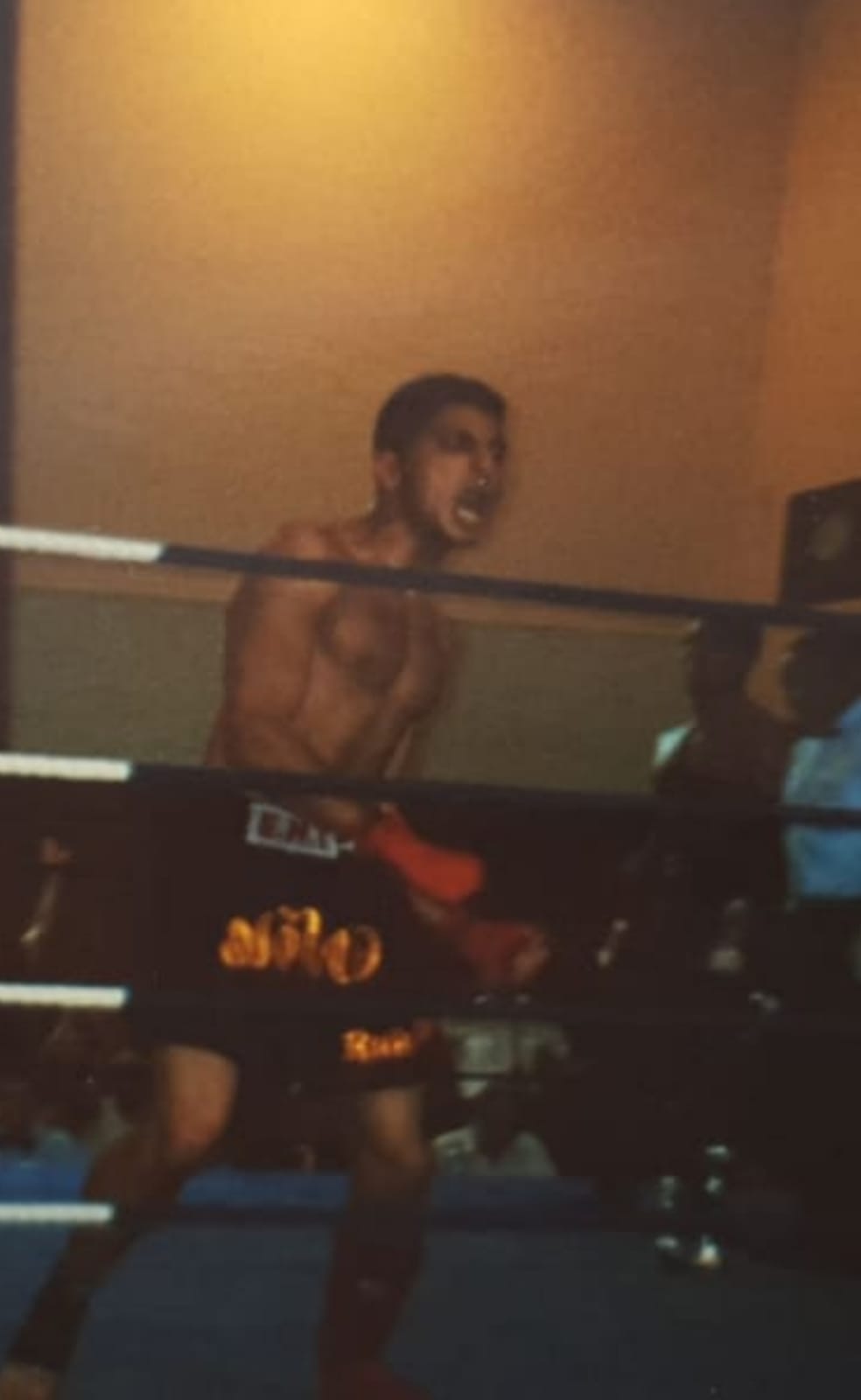
I didn’t want to go as I didn’t have the confidence to go alone. I saw a flyer about a Muay-Thai demonstration at a local gym and I decided to go and check it out myself, albeit annoyed at my friends. It was amazing and I saw a sparring demonstration between two men who would be very influential in my life as my coaches and mentors Trevor McCook (pictured below) and Jatinder Singh Dhillon (pictured after). I was later also trained by the great Jon Graham (pictured third) as I competed at a high level.
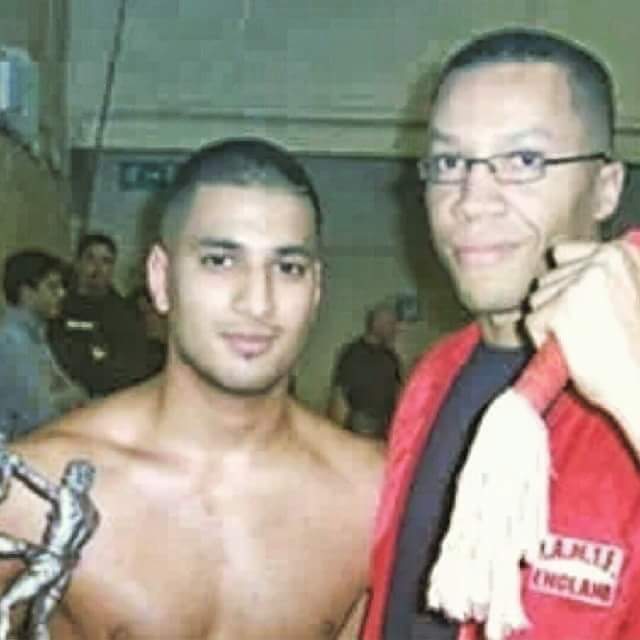
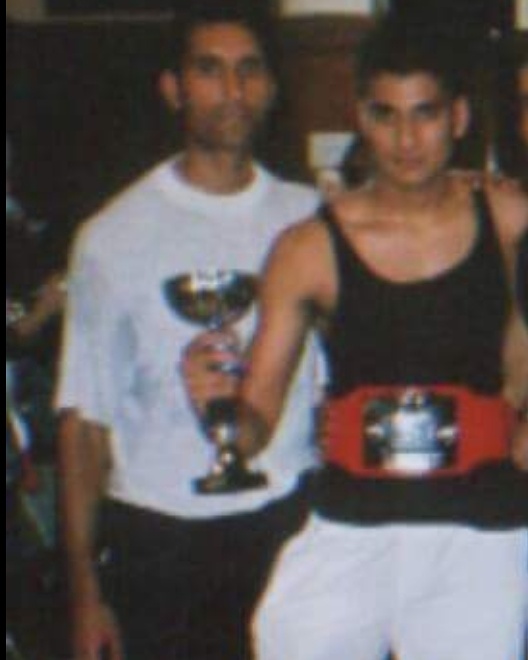
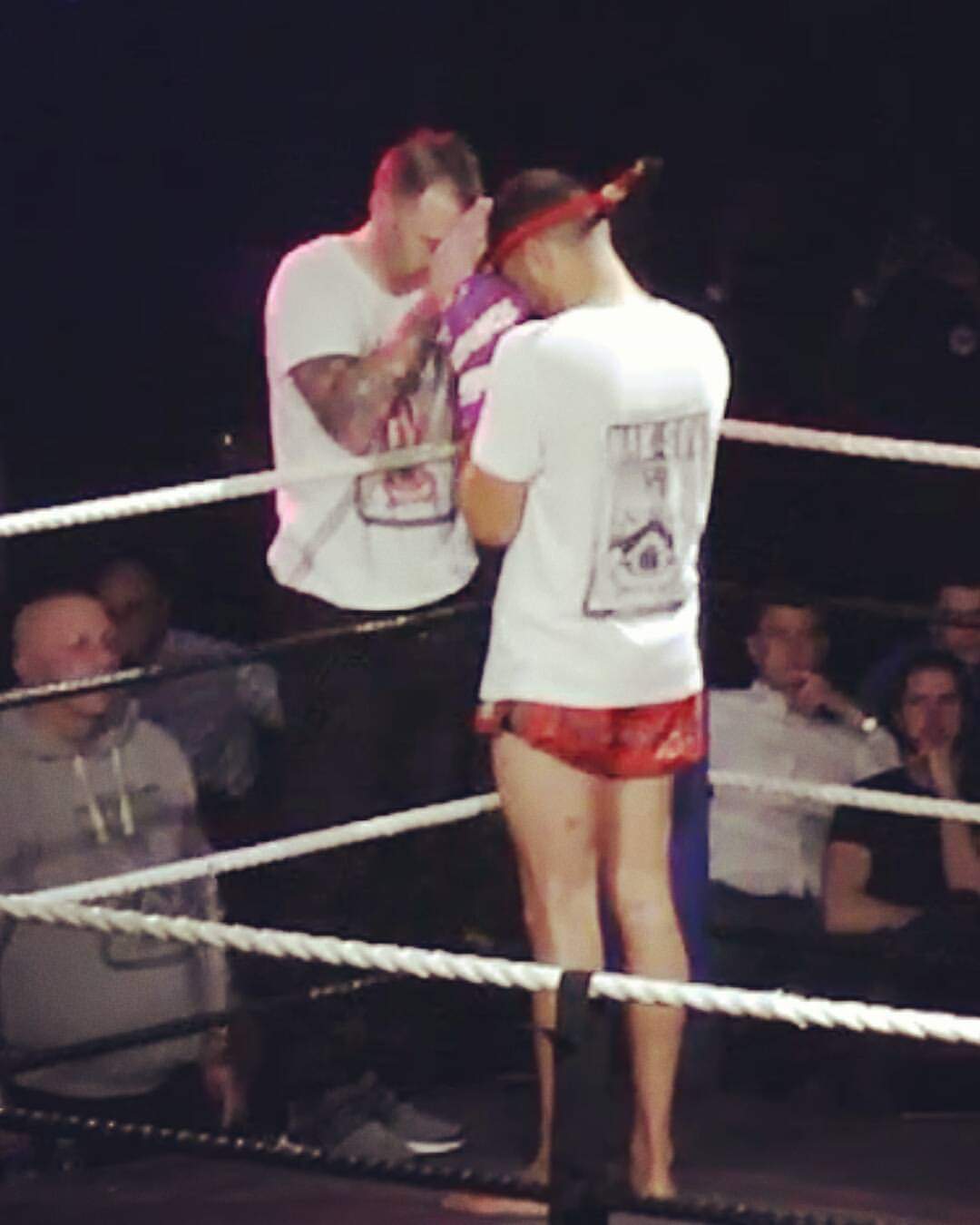
I started in November 1997 and I never looked back. I was the youngest to train in the team by at least 10-15 years but I trained hard and felt at home. These guys were like older brothers. I gained a father figure which I also didn’t have as I was raised by just my mum.
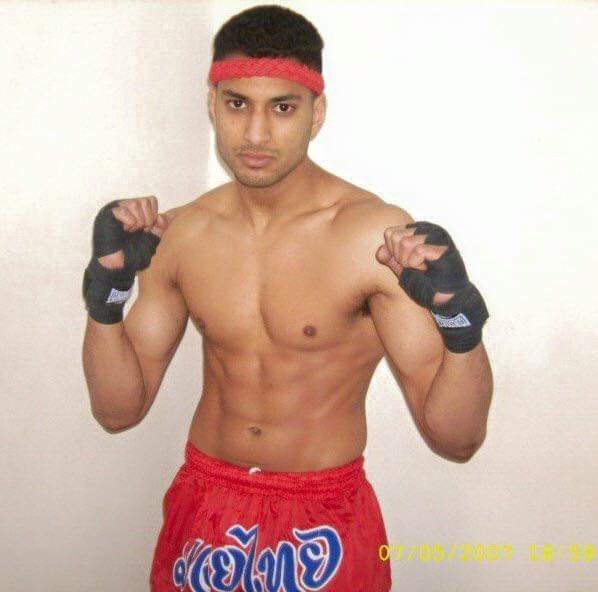
What have you achieved through martial-arts and how did it affect you as a person?
I felt confident and happy. It was very hard for my mum to afford to pay for my lessons but she somehow managed. I remember how happy I was buying my first pair of gloves. I will always be grateful for the sacrifices my mum made for me to continue my training. The men who I trained with were unique, they were monsters in the ring but outside they were human! They dressed well, drove nice cars, listened to jazz, spoke softly and treated everyone with respect. As a kid this was very influential and I soaked up the environment around me. Growing up on a rough estate in Southall, for 25 years this guidance would prove vital.
What do you feel martial-arts can give to a person and would you encourage more people in the Sikh community to pursue it?
Whilst everyone should be proficient in self-defence, for Sikhs it is imperative that we can look after ourselves and others. We have a longstanding history of standing up against oppression and being physically fit, being able to defend and attack is therefore a basic requirement.
When and how was Akaal Muay-Thai started?
Kru (teacher/trainer) Savit Kohli, a former 2x British Bantamweight Champion, and I started Akaal Muay-Thai, the first Muay-Thai club in Southall, in 2008. It was a not-for-profit enterprise for the community. The coaching staff and I did it voluntarily and all proceeds were donated to Sikh causes such as the National Sikh Youth Federation, Khalsa Aid and Sikh Relief’s Sikh Prisoner Welfare project.
The building we used was owned by the Gurdwara but we had to raise the money ourselves to keep the place running, with everyone making contributions. It is no longer used for anything which is a shame as it could be a great space for training for the local community, especially in the hands of the Gurdwara.

A lot of credit has to go to the people that kept it running as a place for martial-arts training for decades, before I was even born. And the person I credit with that is the legend Rupinder Singh Judge (pictured above), known as Roshi Pehlwan (Pehlwan meaning wrestler). He was training people in wrestling there in Southall since the 1970s.
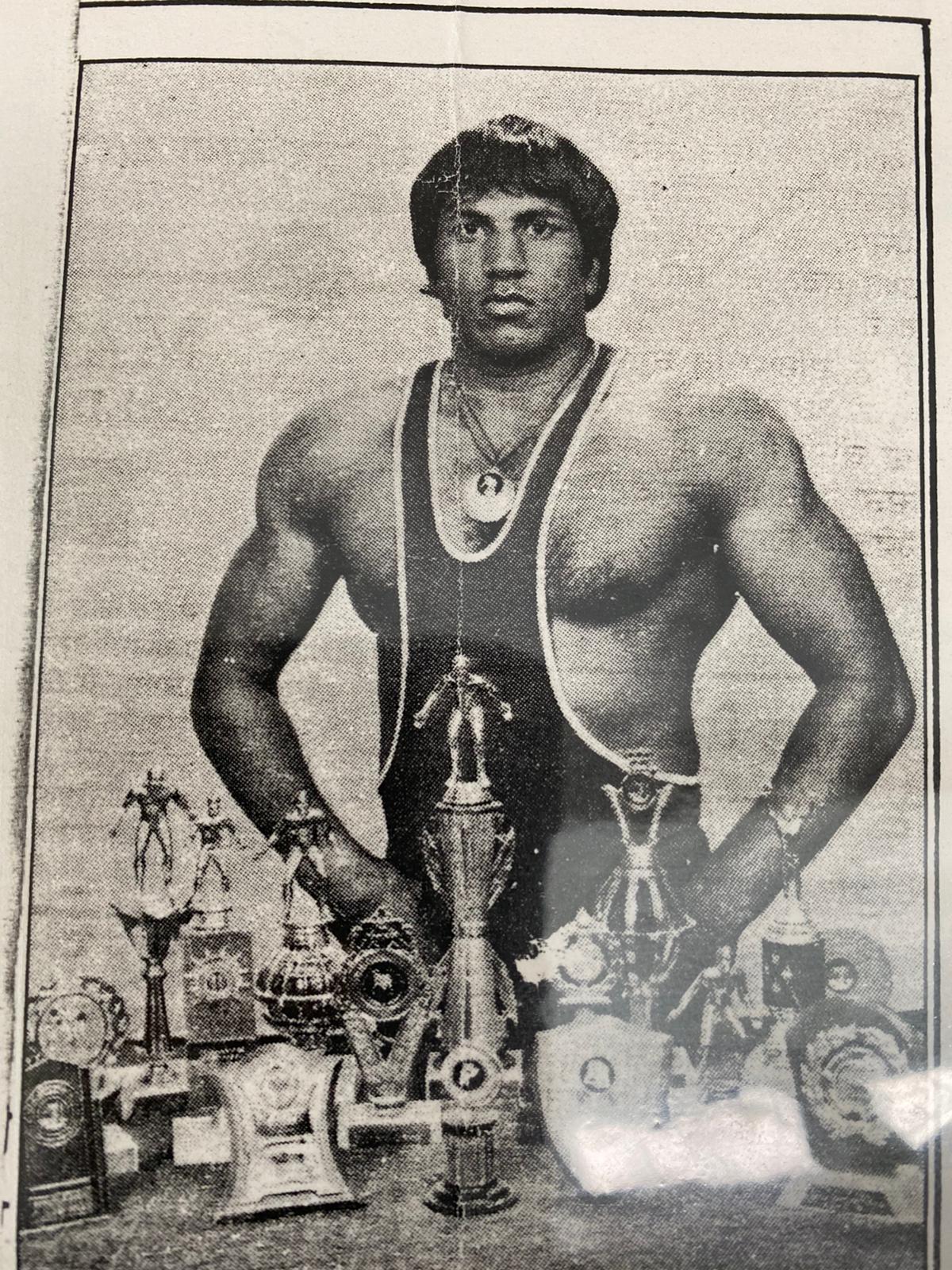 Roshi Pehlwan also acted as the building caretaker and more, putting a lot of his own time and money into keeping the place running. He was a respected athlete himself and I saw him outwrestling people 30 years younger than himself up until his 60s.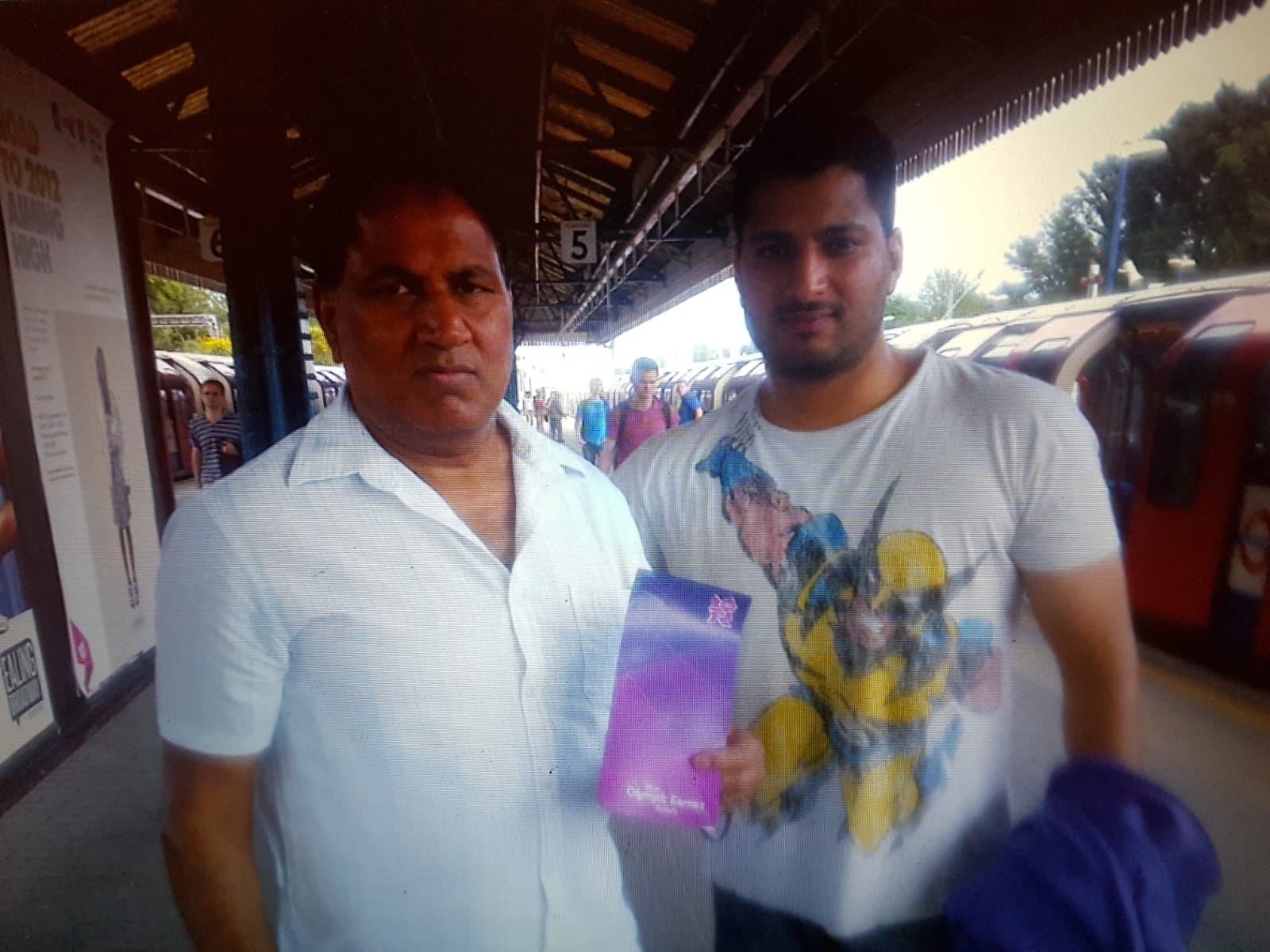
The club is based in Southall, a town that has a history of gang and crime issues and a massive Sikh population. What impact has the club had on the community?
Southall has a rich history. It is where many Sikhs began to settle in the UK and it is important that there are initiatives to harness the energy of the youth and keep them out of trouble. When you’re in the gym on a Friday night training and sparring you won’t fall into the pitfalls of going out drinking. It’s healthy for the mind and the body.
We believe it has impacted students and the community positively. It is open to all but we aimed to reach Sikh youth because there were not many avenues for Sikhs to get involved in sports or martial-arts clubs. It has become more like a family. It has helped tackle other social issues such as drug and intoxicant abuse, bullying and domestic violence. We have even seen many volunteers for a range of fundraising events for Sikh charities.
How did you begin to make the change from Muay-Thai to boxing?
Boxing is the least scored weapon in Muay-Thai. Elbows, kicks and knees score much higher, unless you knock your opponent out of course! So boxing is not used as much. I was always a big fan and disciple of boxing though, spending lots of time studying and reading about fighters from the 30s and coaches from the Stillman’s gym era.
In K1 I watched Mark Hunt and Ray Sefo, whilst boxers I watched include Mike Tyson, David Tua and Johnny Tapia…all fighters with a great inside game which may give a clue about my style!
When did you decide to box professionally and how did this happen for you?
I always wanted to train with a boxing coach and boxers, but the opportunity never came as, I was coaching for 17 years, which made me focus on teaching others more than myself.
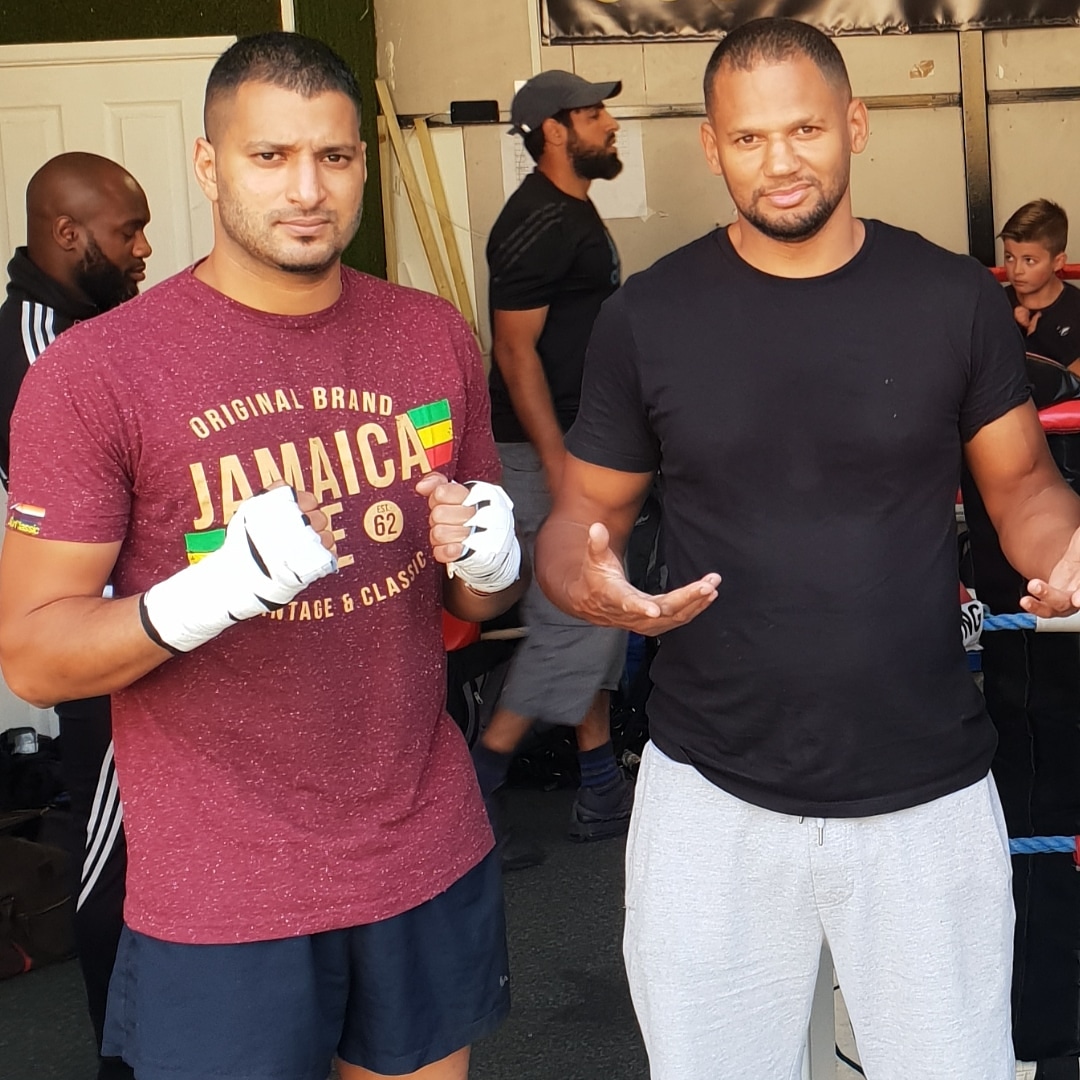
After stepping away from coaching and competing, in October 2018 I was 105kg unfit and overweight. I injured my knee and couldn’t run or kick. My best mate Rob (Robert Lloyd Taylor pictured below) who was a pro-boxer for 16 years, a former winner of the Matchroom Prize Fighter Tournament and an amazing fighter overall, had recently retired and opened up a boxing gym.

I wanted to firstly go and just show my support as a brother, as he had always been highly supportive of our Muay-Thai circle…and the rest is history!
For the last 15 months I have been there every week without fail. I focused solely on boxing and didn’t train Muay-Thai to give myself a chance to learn and unlearn technique, because there is a big difference between using boxing in Muay-Thai compared to compete in boxing.
Why did you have such an urge to compete properly (both first as an amateur and now soon as a professional) in boxing, even after competing in Muay-Thai?
After seeing my progress and my ability in sparring his pros completely fearlessly, Rob asked me if I wanted to fight. At the time I was 36 and felt I was too old and it didn’t make sense. Rob told me it didn’t make sense, but neither did my dedication to training! So we decided to give it a shot. We applied to the British Boxing board of control, but they refused my application for a professional license due to my lack of boxing experience. I was disappointed but as a Sikh I believe in Maharaj’s Hukam (akin to “the will of God”) and try to embrace all changes as and when they arise. So, we went down the amateur route.
I registered as an amateur, but I was off training for two months because had a hamstring injury. I came back to training and Rob offered me a fight at a week’s notice. I was to step in as a replacement for a heavier and more experienced lad. Knowing the year was almost done, I was desperate to fight. So I said yes. All I could do was go for a swim to open up my lungs and shadow box and do pads to prepare during the week. Then I went to war!

It was a brutal fight. He gave me a few head-butts which gave me some bumps and lumps but I was too in the zone to complain, plus I give as good as I get! I beat him, giving him an eight count in last round with a body shot. This style of fighting is where my nickname – Panjabi Pitbull – comes from.
I was back in the gym a week later. Rob then offered me a fight in 3 weeks and I thought “OK, that’s a good amount of time to prepare”. One week later he offered me a fight in just five days’ time! I went to work, finished at 5pm, and then caught a train with Rob to the venue in London. I weighed in at 7pm and fought 9pm. It was another brutal fight. I lost the first round really badly. I regrouped and won round two big thanks to some tough words from Rob. Then as I went out for round three, Rob told me “Sukh you’re the Punjabi Pitbull, do it for your ancestors!”. I roared and went out and smashed my opponent to get a split decision win against a home fighter.
My next fight was just two weeks later against another tough lad who beat me for the first round. Our strategy wasn’t working so Rob instructed me to do what I do best. I said “What’s that?” He said “Be the Punjabi Pitbull!”.
I mauled him for 2 rounds for another split decision win, my third win in just over a month. Rob then spoke to the British Boxing Board of Control and told them how I had won three fights in five weeks against younger more experienced boxers. They were blown away and asked us to reapply for my professional license. This time I was given an interview. All three of the fights I had were really close so perhaps they needed more persuading. I didn’t train as I wanted to for any of those fights. I would literally go for a swim, shadow box, do pads and then turn up for battle.
The interview went well, they could see I was dedicated and in the right frame of mind. I was granted my license. One thing I will never forget was something the chairman said to me, someone who has probably interviewed countless legendary boxers, When I was called in he said “Sukhminder?” I replied “Yes sir?”. He said “That’s a Sikh name right?” And I said “Yes”. He said “Your people are warriors!” and I replied “Yes they are!”.
It made the hairs on the back of my neck stand up! It was a reminder of blood spilt and sacrifices of my ancestors and the Shaheed’s (Sikh martyrs) which enable Sikhs today to be able to walk with our heads high.
What do you want to achieve in your professional boxing career?
I know that for someone as inexperienced and old as me means the odds will be stacked against me. But I feel I can fill that gap by working hard and smart. I will give this everything I have for at least two years and I will aim for a British title.
You are being trained by the respected Robert Lloyd-Taylor, someone hardcore British boxing fans will all know. Tell us about your relationship with him.
I’ve known Rob for about 10 years, we worked at British Gas together and became very good friends instantly. We have travelled a lot together including going to Jamaica four times!
Rob is a completely different person in-and-out of the ring. In the ring he is a killer and you could put him in with anyone but outside he is the most respectful, well-mannered gentleman.
How has Sikhi inspired you in your combat sport ambitions?
Sikhi inspires to live truthfully me in all of my life. In the ring I am inspired by the feats of courage and strength of our Shaheed’s. I remember that I must carry myself in a manner inside and out of the ring which reflects well on our community.
For a long time, we hardly had any Sikhs in professional sport. This is changing now. Why do you think that is?
Initially the Sikh diaspora had immediate issues of racism and financial stability, so naturally sports and other hobbies took a backseat. But now we have more financial stability and now work is being done to tackle racism in sports, you will see more Sikhs come through.
What kind of impact do you think more Sikhs in sport will have in the community?
Hopefully my journey will inspire others to pursue life goals other than simply pecuniary. I also feel for other Sikhs and South-Asians, it’s good to see people that look like you in the mainstream and spotlight.
Sikh history shows us there are no age barriers for any kind of achievement. What message do you want to send from your own journey?
I would like to break down barriers and attack toxic masculinity issues. Hopefully people can see that the Punjabi Pitbull is a ring personality only. This sport can rob you of your respect, health and dignity. To survive in the cold dark waters of a boxing ring, you need to be a shark. But outside, we are human.
I was a victim of bullying myself so anything I can do to help a child feel better or differently will be very important to me, it gives me purpose. Violence and domestic abuse are massive problems in our community and we must address and tackle this at all levels.
Finally, what has this pandemic situation been like for fighters like you?
The situation with COVID19 has left boxers very unsure as to what will happen. Eddie Hearn (world renowned UK boxing promoter) may be able to put on shows behind doors but the smaller shows will be in trouble. Ive been training five days a week whilst working full-time as a gas engineer. Most lads are struggling to maintain the training due to motivation and no fight dates. It is discipline which will ensure a fighter does his work like a daily prayer. So although it is a bad situation, I can use this time to put in volume and volumes of work and bridge the gap between me and fighters who are better than me on paper.


Leave a Reply
Want to join the discussion?Feel free to contribute!