
Indian authorities called ‘unlawful’ for release of police convicted for ‘Fake Encounters’ murders
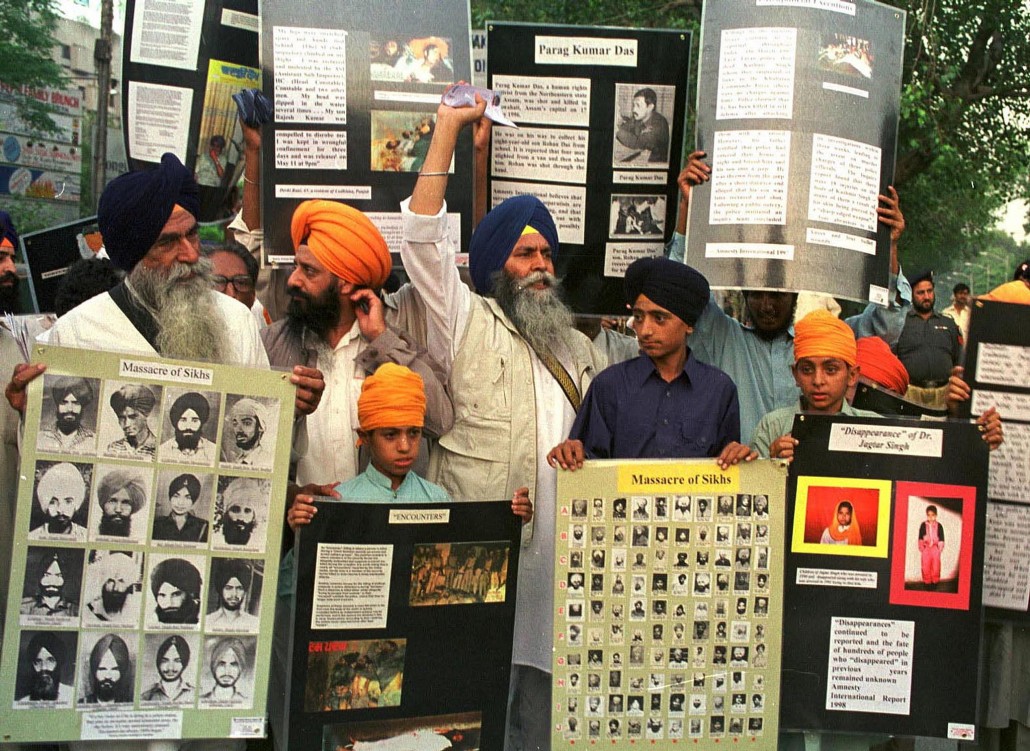
People across the world have decried a decision to release Punjab police officers imprisoned for offences regarding the ‘Fake Encounter’ murders of Sikhs during the height of the Sikh genocide.
1000s of Sikh youths killed in fake encounters, hardly any guilty police officer punished but those who punished, clemency is given to them to make their safe release. If the tainted police officers are given impunity, what is the use of courts?
— Ajmer Singh Randhawa (@smartrandhawa) October 17, 2019
The exact number of officers being released has not been made clear, although most accounts state 15 former employees of the police convicted in regards to ‘fake encounters’ murders will be released, whilst State communications claim there will be five releases for now. The decision to release the criminals came after a recommendation by Punjab’s Chief Minister Captain Amarinder to the Central Government.
In a gross display of impunity, the Punjab govt will release 15 convicted cops. This is the third time in six months they’ve bailed or pardoned cops for disappearances/unlawful killings, bringing the current total to over 20. India is no democracy. https://t.co/Ws6FEofTis
— Sukhman Dhami (@sukhmansdhami) October 16, 2019
Indian media outlets shared a quote from the Union Home Ministry which states; “The Government of India has accepted the request of the Government of Punjab for grant of special remission and release of five Punjab Police personnel undergoing sentence in different jails in Punjab for offences committed during militancy period in Punjab.”
Some Indian media outlets have claimed at least one officer is being pardoned before even spending a day incarcerated.
A statement from the Punjab Disappeared team, which was co-signed by various human rights groups, said “We strongly oppose any external attempts by the Punjab or Central Government, or Punjab Police to interfere with the judicial process and prosecutions which were undertaken by the CBI over two decades ago and are now resulting in convictions of police officers who have evaded the law for the last two and half decades.
“The names approved and/or recommended for release should be disclosed immediately so that the victim’s kin can challenge why this move is arbitrary, illegal and unlawful.”
Punjab Disappeared is a organisation headed by wife and husband team Jaswant Kaur and Satnam Singh, which has documented the extrajudicial disappearances (murders) of over 8000 Punjabis, creating a documentary on their efforts to bring this reality to light. You can read their statement in full here.
The move which derails attempts for some type of justice regarding the Sikh genocide, which saw thousands of Sikhs killed in state perpetrated attacks mainly in the 1980s and 1990s, follows recent news of 312 Sikhs being removed from a ‘black list’ of those banned from coming into the country. The list is said to now only contain two names, although the Indian government have not officially confirmed any of the names that were either removed or remain. Many Sikhs have claimed this list is and has always been a tool to use against Sikh diaspora activism which is critical of Indian state human rights abuses.
Blacklist politics: India won't destroy its weapon deviced to control political activism of Sikh diaspora – https://t.co/Mgm7KV3MAg #Sikh #News pic.twitter.com/SuumHhOYVn
— Sikh Siyasat News (@sikhsiyasat) October 16, 2019
The Indian state’s recent moves to appease Sikh activist dissent against certain policies also includes an embellished attempt to claim eight Sikh political prisoners were being released early “through special remission”. A news report from Sikh Siyasat News has cleared up ‘Wrongful Reporting’ on this story by Indian media, by highlighting that five of those prisoners were already being released based on amount of time served, whilst the exact status of them is still unknown. The issue of Sikh Political Prisoners has long been raised based on the fact many were detained under the notorious TADA act and have been incarcerated for decades under an act which could “encompass any act, including the peaceful expression of views”. Read their news report here.
These latest moves which are viewed by many as trampling on attempts for justice for Sikhs will likely only continue the long-held distrust of the Indian state by many Sikhs across the world.


Leave a Reply
Want to join the discussion?Feel free to contribute!