

Sikh-led movement aims to tackle Ludhiana “black water” pollution
The Kale Pani Da Morcha (Black Water Protest), an environmental protest led predominantly by Sikhs of Punjab,
has brought urgent attention to the severe pollution of the Buddha Dariya (Buddha Nullah/Nala) stream.
The latest move by the Kale Pani Da Morcha group has seen an official police complaint lodged against the Punjab Pollution Control Board (30th August), as activists demand prosecutions for the lack of action taken against corporations polluting the stream, which is connected to one of Punjab’s famous five rivers (the Sutlej river).

The movement, which officially began in early July but has now picked up more support, is not only a call for environmental justice, but also a challenge to the authorities who have long ignored the worsening crisis, which is blamed for spreading disease within communities of Punjab and Rajasthan. For decades, toxic waste has been seeped into the stream by surrounding industrial factories, which has severely contaminated the water of the 42km stream, posing serious health risks to locals as this is part of the water filtered for drinking and other use in local villages.
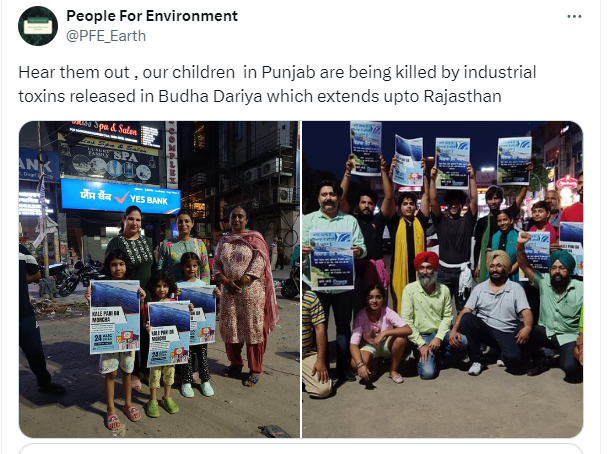
The protest, which gathered a large number of activists, environmentalists, and concerned citizens, saw a mass rally go through Ludhiana last week (24th August), highlighting the community’s determination to confront the ongoing pollution. Sikh leaders and activists have been at the forefront of this movement, advocating for the protection of Punjab’s water resources. Support for the movement has been garnered through emphasising how care of nature is an important part of Sikhi.
Punjab has historically been called “the cancer capital of India” due to a high rate of cancer cases, and the situation is worsening. There is evidence that the air and water in Punjab is being contaminated by factories and pesticide usage, and the consumption of this is severely impacting health.

The Sikh-led “Kale Pani Da Morcha” is not just about environmental protection; it is a call for accountability according to its leaders. The failure of the government to act decisively reflects a troubling disregard for Punjabi people’s needs in favour of corporate interests. The protesters are demanding that those who fail to act, including top officials and politicians, be held accountable and that resignations follow if they cannot fulfill their responsibilities.
Chief Minister Bhagwant Mann previously laid the foundation for a water treatment plant, a project that remains ongoing but as of yet inoperative. Currently, the streams remain polluted, and the public continues to suffer while leaders offer excuses and shift blame onto officers.

Member of Parliament Malvinder Singh Kang has publicly exposed confirmed violations by textile and dyeing industries which remain unchallenged. According to Kang, these industries have flagrantly disregarded environmental guidelines, contributing massively to the pollution of Buddha Dariya. Kang has also called for urgent action against officials who have failed in their duty to enforce regulations, questioning how long it will take for Punjab’s Chief Minister Bhagwant Mann to address the crisis.
As the protest continues to grow, the demand for clean water and responsible governance in Punjab becomes louder. The Kale Pani Da Morcha has issued a clear warning: if the government does not take immediate action within two weeks, the community will take matters into their own hands, including plans to shut down the toxic drain on the 15th of September.
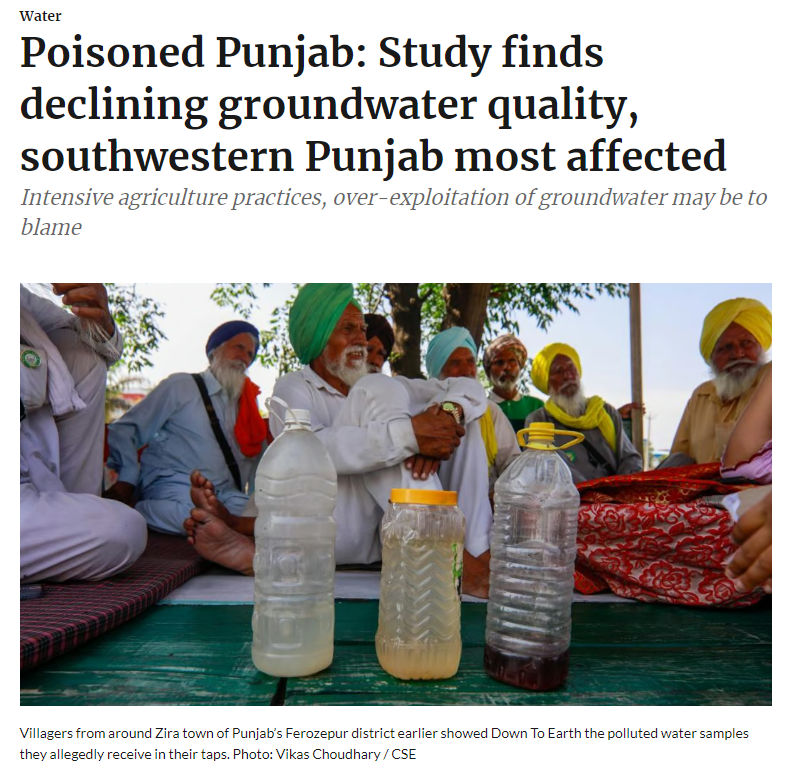
The situation is a critical test for Punjab’s leaders, whose inaction could lead to severe consequences not only for the environment but also for their political futures. However, Sikh groups remain concerned that the demonstrations could lead to classic Indian State violent retaliation, to prevent further focus on the incompetency and corruption the government is accused of.


Leave a Reply
Want to join the discussion?Feel free to contribute!