
ISIS attack Gurdwara, kill Afghan Sikhs again: Reaction and Breakdown
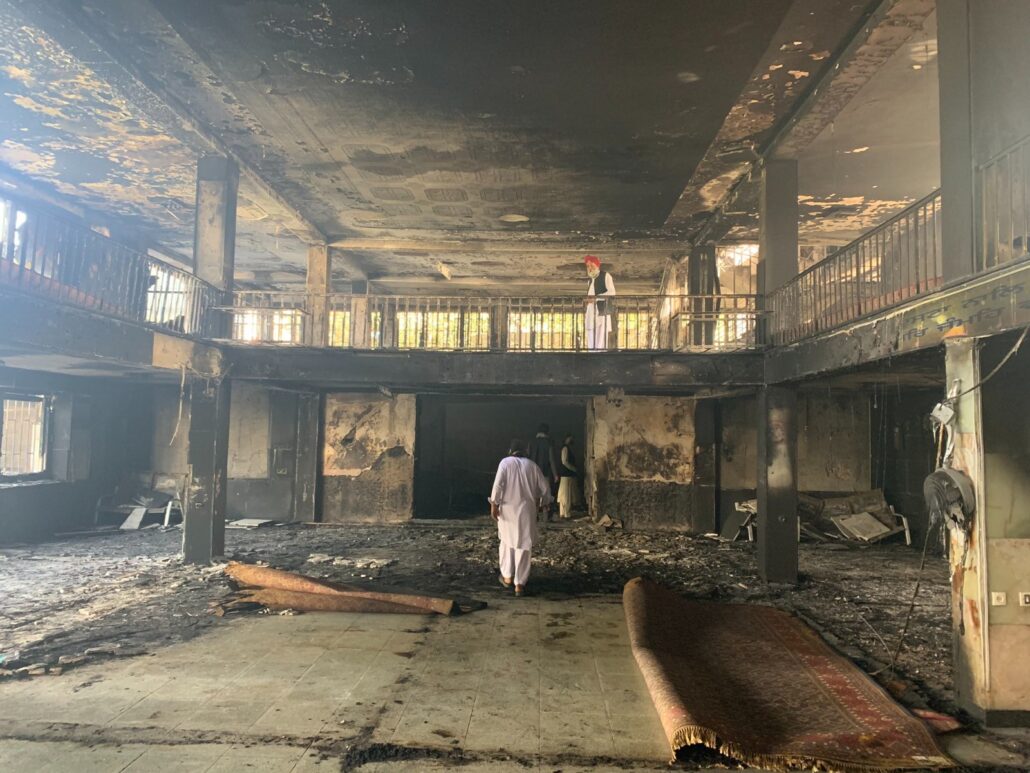
A Kabul (Afghanistan) Gurdwara was attacked by ISIS (Islamic State) affiliates again, for the third time in three years on Friday morning (17th June).
In an attack which the Taliban government of Afghanistan claim they were aware was set to happen, ISKP (Islamic State Khorasan Province) fired at the Karte Parwan Gurdwara complex which houses dozens of Sikh families in the city, storming the building and letting off explosives inside, whilst a nearby vehicle filled with explosives was also detonated.
The attacks led to the killings of at least three men, including the Muslim Gurdwara security guard, Sikh man Savinder Singh Gaznechi who lived in the complex, and a Taliban soldier at an outpost where one explosion happened. All the ISKP attackers were also killed, although how many remains unclear.
The attack follows a 2021 attack at the same Gurdwara and the infamous 2020 massacre of 25 (including a three-year-old) at Kabul’s Guru Har Rai Gurdwara by ISIS militants. These Gurdwara attacks are separate from other attacks on Sikhs in Afghanistan, which includes the 2018 targeted bombing of Sikh political activists in the country (believed to have been carried out by the Taliban) and the kidnapping of a 13-year-old Sikh girl.
Latest media reports suggest ISKP have said the attack was retaliation to anti-Muslim comments about the Prophet Muhammad by BJP’s Nupur Sharma and Naveen Jindal. The comments, which ISKP said they would respond to with force, have been extra antagonism for Muslims worldwide, who have been witnessing India under the BJP led by Narendra Modi be brazenly violent and bigoted towards Muslims and other minority communities, including Sikhs. The comments by Sharma led to Muslim nations across the world calling out the issue and pressuring Indian ambassadors in their nations.
The fact the actions of the BJP would lead to an attack on Sikhs is cruel irony, given the at best fractured relationship Sikh communities have with the party, especially based on BJP’s callous treatment of Sikhs during the #FarmersProtest, which included the son of a BJP politician carrying out a terror attack on Sikh protesters, leading to several deaths.
One of the main reactions regarding the attack were calls from Canadian Sikhs to have the government expedite refugees from Afghanistan similarly to how Ukrainians have been, calls which were largely unechoed by other Canadians. Despite the fact Canadian Prime Minister Justin Trudeau pledged to allow Afghan refugees to settle in Canada, some reports allege more pets have been brought in from Afghanistan than actual people in the last year. The World Sikh Organization, a Canadian Sikh legal and political advocacy body, led the demand for more action from Canada’s government. The group have even stated Sikhs would be willing to sponsor the whole project themselves.
Efforts to help Afghan Sikhs settle in the UK continue too, where many have already settled. Appeals to the Indian government have also been made, although previously Afghan Sikh refugees into India have found themselves pushed into poverty, with some even deciding it is better to return to Afghanistan than live in India.
In a frightening indictment of the state of India, countless Hindu nationalists posted mockingly and sneeringly about Sikhs being targeted by extremist Muslims, showing little empathy and often outright celebrating the attack. The shockingly depraved statements are usually based on the nationalist belief that Sikhs sometimes side with Muslims on issues in India, which they believe is based on some foolish kinship Sikhs have been tricked into by Muslims. However, both Sikh and Muslim communities in India often suffer from the same nationalist Hindu extremism which plagues the country, leading to both often calling out issues of a similar nature, such as the targeting of their religious wear by Hindu nationalist extremists.
Afghanistan is currently still going through a particularly dangerous period, due to clashes between the Taliban and other extremist groups, as well as food shortage issues in the country. Despite having a history of oppressing Sikhs in the country, currently the Taliban have been noted as trying to support the Sikh community in the current climate. However, whether they will support the mass exodus of the remaining hundreds in the country remains to be seen, as originally the Taliban did not want minorities like the Sikhs to leave the country when they took over, something believed to be fueled by a desire to be seen as a serious government and not just Islamic extremists.
Problems for Sikhs in Muslim majority nations do not stop in Afghanistan, with issues in Kashmir and Pakistan – from forced marriage conversions to assassinations – rife too. However, for now efforts to help Sikhs seek refugee status remain focused on Afghanistan.


Leave a Reply
Want to join the discussion?Feel free to contribute!